
Some budget soundbars are still plagued by a dialogue problem. Modern movies, TV series, and streaming content are almost always mixed in 5.1 surround sound (Dolby Digital or better). In these mixes, dialogue is routed primarily to the dedicated center channel so voices stay clear and anchored to the screen even during loud effects or music.
A 2.1 soundbar has only left and right speakers plus a subwoofer — no physical center speaker. When 5.1 audio is downmixed to stereo, the center channel content is folded equally into the left and right speakers at reduced level (typically −3 dB to −6 dB). The result is the well-known “quiet dialogue, blasting effects” complaint that has existed since the HD era began.
This is not a fault of the TV or soundbar; it is a fundamental limitation of any two-channel playback system playing multi-channel content.
This article contains Amazon affiliate links. If you purchase through them, we may earn a small commission at no extra cost to you — it helps keep the site running. Thanks for the support! Amazon and the Amazon logo are trademarks of Amazon.com, Inc. or its affiliates.
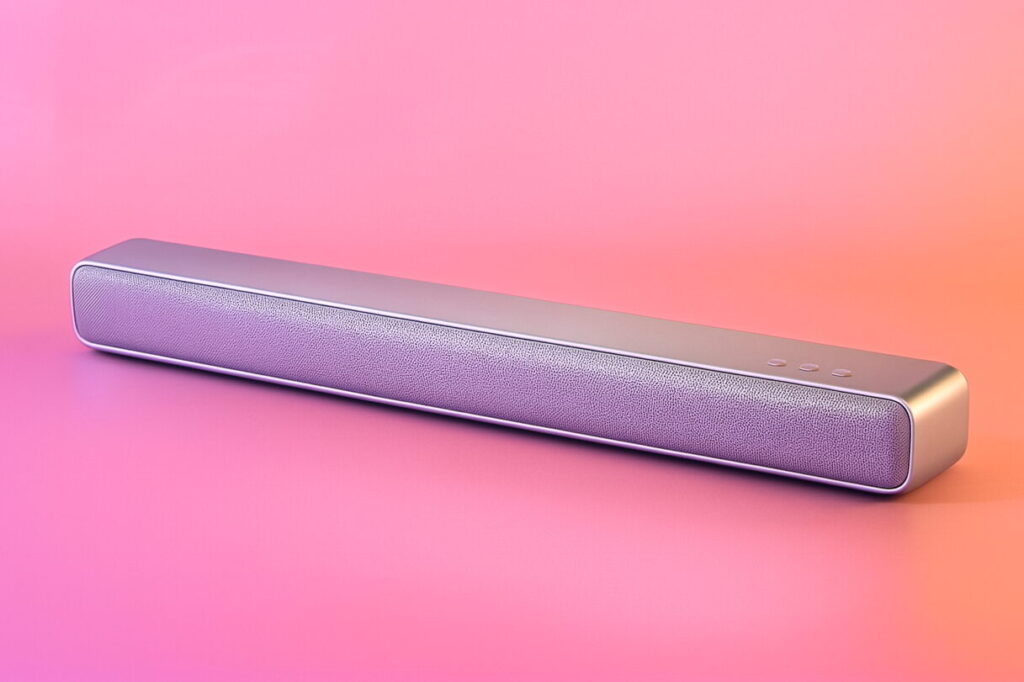
What DTS Virtual:X Promises and What It Actually Delivers on 2.1 Systems
DTS Virtual:X is an psychoacoustic processing technology that attempts to create the illusion of height and surround channels from only the speakers that physically exist. Marketing materials and even Google AI overviews claim it “improves dialogue clarity, boosts bass, and adds depth.”
On systems with rear satellites or up-firing drivers (many Vizio, Sony, or higher-end Samsung models), users report that Virtual:X sounds impressive and can make even stereo content feel enveloping.
On 2.1 soundbars (only left + right in the bar, no separate center, no rears), the situation is different. The processing widens the soundstage and emphasizes ambient effects by pushing the left and right channels harder. Since the already-attenuated center-channel dialogue receives little or no special treatment in basic implementations, voices can sound relatively quieter against the newly enhanced surroundings – exactly the opposite of improvement.
Brands Finally Started Fixing the Problem
Newer budget 2.1 models, especially from Samsung, have shown noticeable progress. The Samsung B-Series Soundbar HW-B550F 2.1 ch (2025) and the Samsung HW-C450 2.1ch Soundbar combine DTS Virtual:X with separate dialogue-enhancement features:
- Adaptive Sound / Voice Enhance modes that actively boost midrange frequencies where speech lives
- Dynamic EQ adjustments that raise dialogue level when Virtual:X is engaged
- Room calibration via the Samsung SmartThings app
Amazon and Best Buy reviews from 2025 consistently state that dialogue remains clear or even improves when Virtual:X is enabled on these models. Comments such as “finally can hear voices during action scenes,” “Virtual:X makes it feel bigger without losing words,” and “huge step up from my old LG/TCL bar” appear frequently.
These Samsung 2.1 bars have been rated highly (RTINGS’ verdict for dialogue intelligibility was ”very good” for the HW-B550F; CNET thought the HW-C450 sounded ”surprisingly good” with movies).
Is a 2.1 Soundbar with DTS Virtual:X “Good Enough” in 2025?
Yes — with caveats.
A modern 2.1 soundbar from Samsung, VIZIO, or TCL that pairs Virtual:X with proper voice-enhancement algorithms will deliver perfectly acceptable or even excellent performance for most users in small to medium rooms.
It will not, however, match the effortless clarity of a 3.1 system with a dedicated center speaker. In very dialogue-heavy content (talk shows, dramas, podcasts) or when viewers have hearing difficulties, a 3.1 bar (Samsung B-Series Soundbar HW-B630F 3.1 ch 2025 model, Sony HT-S2000 Compact 3.1 Ch Dolby Atmos Sound Bar etc) remains the safer, future-proof choice. The Sony HT-S2000, for instance, offers superior audio source compatibility by decoding the full DTS:X format, a feature often absent from the Samsung B-series which relies primarily on DTS Virtual:X virtualization.
Quick Buying Guide (Based on 2025 User Consensus)
Best 2.1 options when dialogue clarity actually matters:
- Samsung HW-B550F 2.1 ch – Best balance of price, bass, and clear voices (uses DTS Virtual:X alongside Adaptive Sound and Voice Enhance).
- VIZIO 2.1 Soundbar SV210M-08 – New 2024 model that supports DTS Virtual:X and Dolby Atmos, featuring an adjustable Clear Dialog setting within the companion app.
- TCL S55H S Class 2.1 – Excellent budget choice that combines DTS Virtual:X and Dolby Atmos with dedicated features like the Voice sound mode and AI Sonic-Adaptation room calibration for improved speech clarity.
Upgrade to 3.1 (or higher) if:
- You want zero compromises on voice clarity
- You watch mostly movies/series with complex mixes
- Multiple people complain they “can’t hear the words”